Skip to content
Open formulas · named sources · clear context
Inside the Formula

What’s inside. Why it’s there.

Explore each ingredient, its place in the formula, and what research tells us—with the amount, study findings and important context in one place.

Ingredient research, in context. These studies concern particular ingredients or study formulations, not a finished Dayspan combination. Our formulas and material specifications are not final. A citation does not establish that the selected material matches the study or that the finished jar reproduces its results.

Dayspan Collagen Essentials

Working formula, not a final Supplement Facts panel. Colostrum is not included. Final supplier, allergen and cross-contact verification are required; this is not a milk-allergy safety certification. The finished combination has not been clinically tested.

Product page ↗
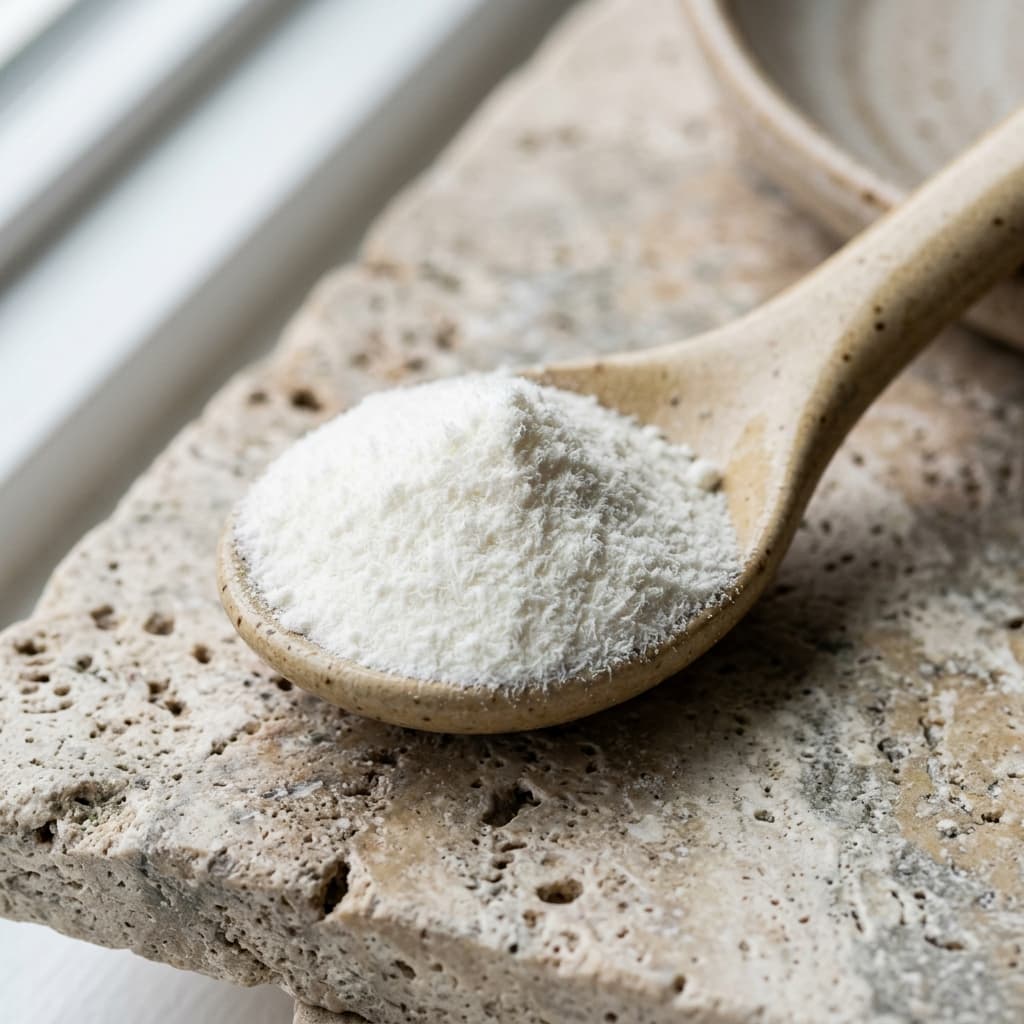
Concept photograph of hydrolyzed collagen peptide powder.
10,000 mg working target

Hydrolyzed collagen peptides

types I & III · exact peptide material not yet selected

Working label · may change

The collagen-peptide foundation of both collagen formulas. The exact peptide material matters when connecting the formula to published research.

Reviews of oral collagen trials measuring skin hydration and elasticity, including a later analysis examining study quality and industry funding.

Pooled trials report better skin hydration and elasticity; the effect fades in independently funded, high-quality trials

What to know

A 2025 re-analysis of 23 randomized trials found the apparent benefit did not persist in non-industry-funded or high-quality subgroups. 10 g is a working amount, not a study-matched dose, until the peptide material is chosen.

Pu et al. 2023 (Nutrients) meta-analysis · Myung et al. 2025 funding-and-quality re-analysis

Explore the research
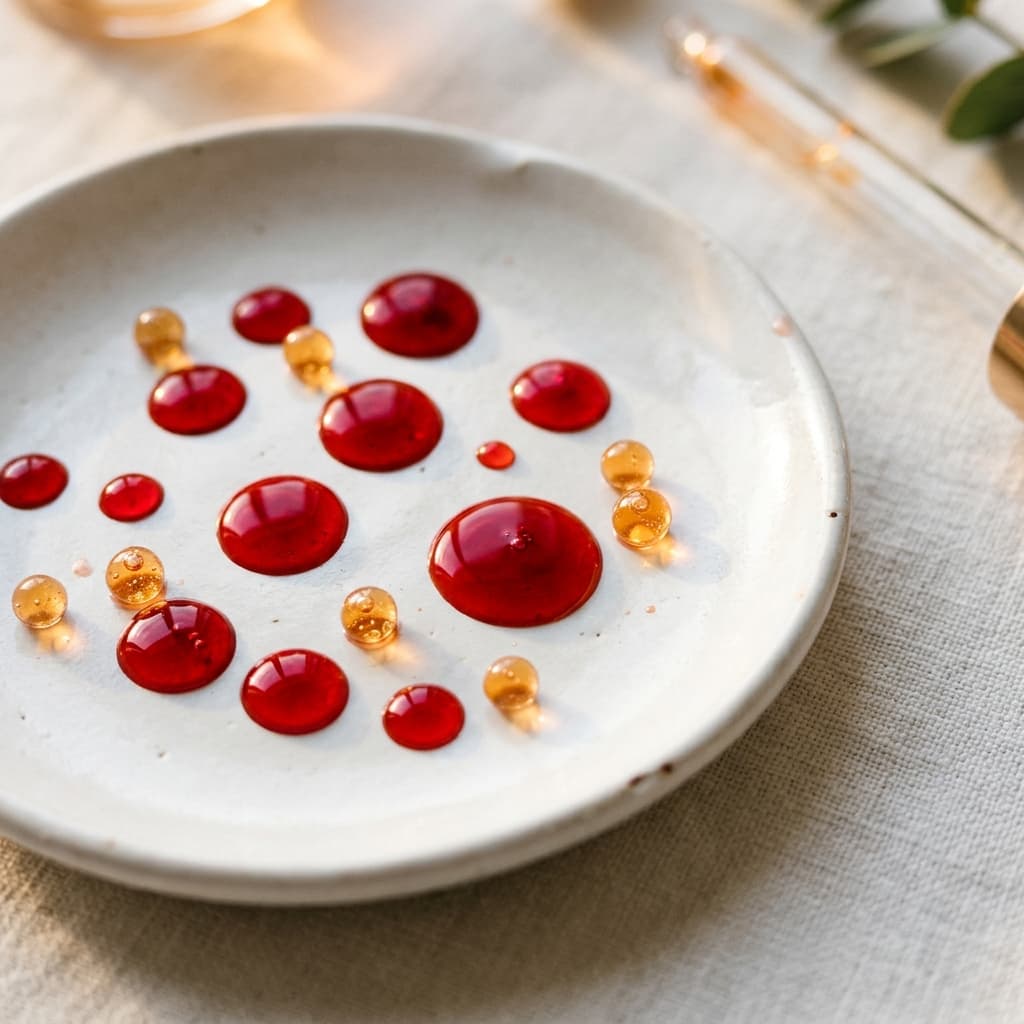
Concept photograph of deep red astaxanthin oleoresin.
4–6 mg working range

Natural astaxanthin

Haematococcus pluvialis · final specification pending

Working label · may change

A carotenoid included alongside collagen with ingredient-level skin research in mind. This does not establish an added benefit from combining the ingredients.

A systematic review and meta-analysis of oral astaxanthin studies assessing skin moisture, elasticity and wrinkle depth.

Pooled improvements in skin moisture and elasticity; no significant change in wrinkle depth

What to know

The trials are small, heterogeneous, and often commercially connected, and wrinkle depth did not change significantly. Astaxanthin is not an oral sunscreen, does not replace topical sun protection, and does not repair sun damage.

Zhou et al. 2021 systematic review and meta-analysis

Explore the research
10 mg lutein · 0.6 mg zeaxanthin

Lutein with zeaxanthin

Marigold extract · final specification pending

Working label · may change

A second carotenoid component, paired with zeaxanthin. Its research is considered separately; combining it with astaxanthin does not demonstrate additive effects.

One 12-week study of 40 women assessed skin hydration, surface lipids and elasticity using oral lutein with zeaxanthin. Final material matching remains pending.

Skin hydration, lipid content and elasticity improved versus placebo in one 12-week trial

What to know

A single small trial with commercial involvement, and lutein shares its antioxidant mechanism with the astaxanthin already in the formula, so the two are not independent evidence. Lutein is not a sunscreen and does not make sun exposure safe. The cited material must be the one used in the trial for the citation to hold.

Palombo et al. 2007 (Skin Pharmacology and Physiology), N=40 women, 12 weeks

Explore the research
Concept still life for vitamin C.
90–100 mg working range

Vitamin C

L-ascorbic acid

Working label · may change

An essential nutrient the body needs for normal collagen formation, included at a nutrient-level amount rather than as a claimed collagen booster.

Established vitamin C physiology summarized by the NIH Office of Dietary Supplements, rather than a trial of this finished collagen formula.

Required for normal collagen biosynthesis; no evidence that adding it amplifies a collagen supplement

What to know

That physiological role does not show that 100 mg added to collagen improves outcomes beyond collagen alone in people who already get enough vitamin C. It is printed as a nutrient amount, not as an activator of anything.

NIH Office of Dietary Supplements, Vitamin C fact sheet

Explore the research

Dayspan Nightspan

Working formula as of 3 September 2026. Amounts and material matches remain subject to final approval. Glycine’s wider biological roles do not establish benefits for this finished combination. Not for children.

Product page ↗
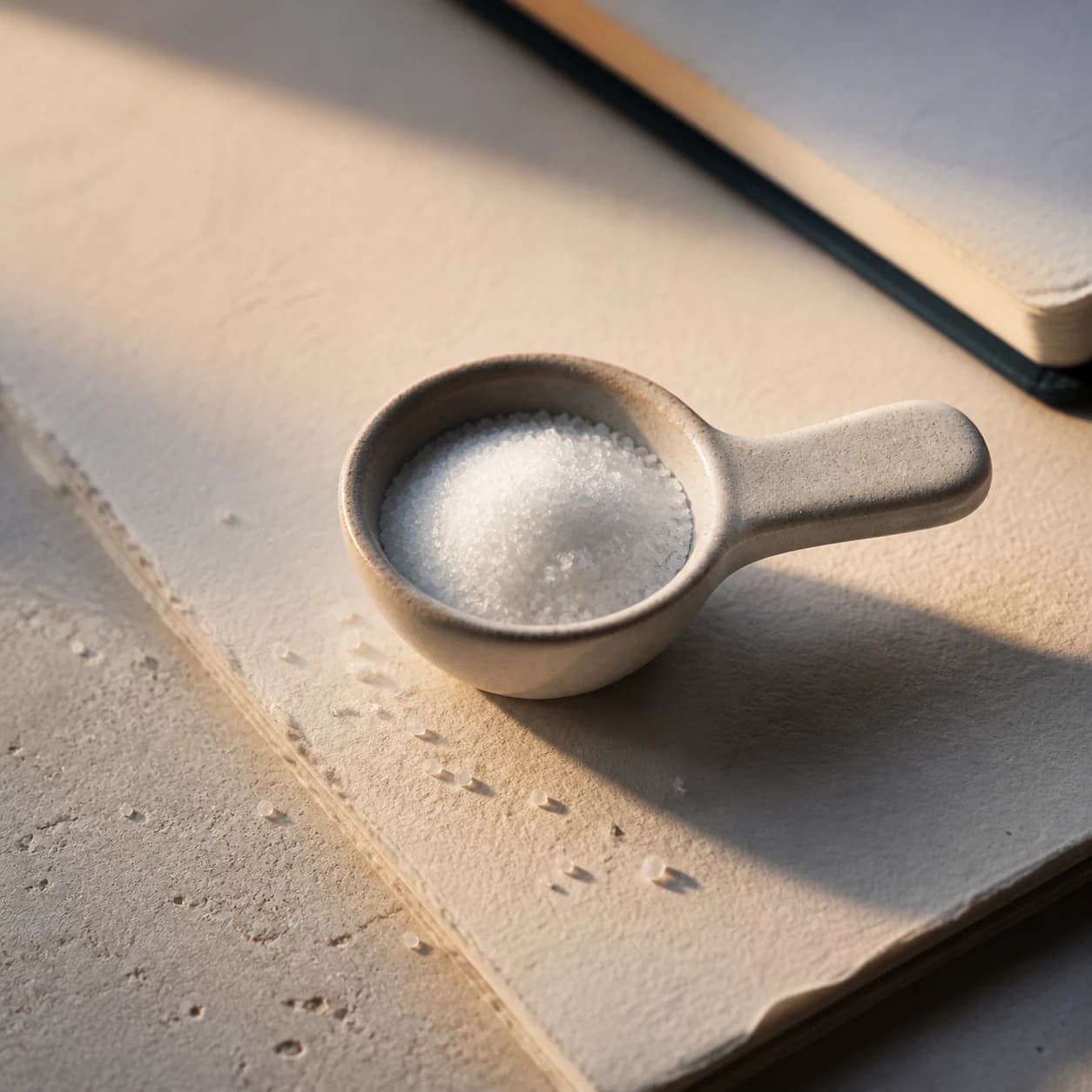
Concept photograph of crystalline glycine powder in a ceramic scoop.
3,000 mg

Glycine

free-form

Working label · may change

The amino-acid foundation of our evening formula. Glycine also has normal roles in collagen, glutathione and creatine synthesis; those roles are not measured benefits of this finished product.

Small bedtime studies of 3 g free-form glycine in people dissatisfied with their sleep, including sleep-laboratory measurements.

Fell asleep faster in sleep-lab trials; sleep architecture unchanged

What to know

The trials are small, and both were authored by researchers affiliated with Ajinomoto, an amino-acid manufacturer. The study found sleep architecture unchanged — glycine got people to deep sleep faster, it did not create more of it. We will never claim otherwise.

Yamadera et al. 2007 · Inagawa et al. 2006 (Sleep and Biological Rhythms)

Explore the research
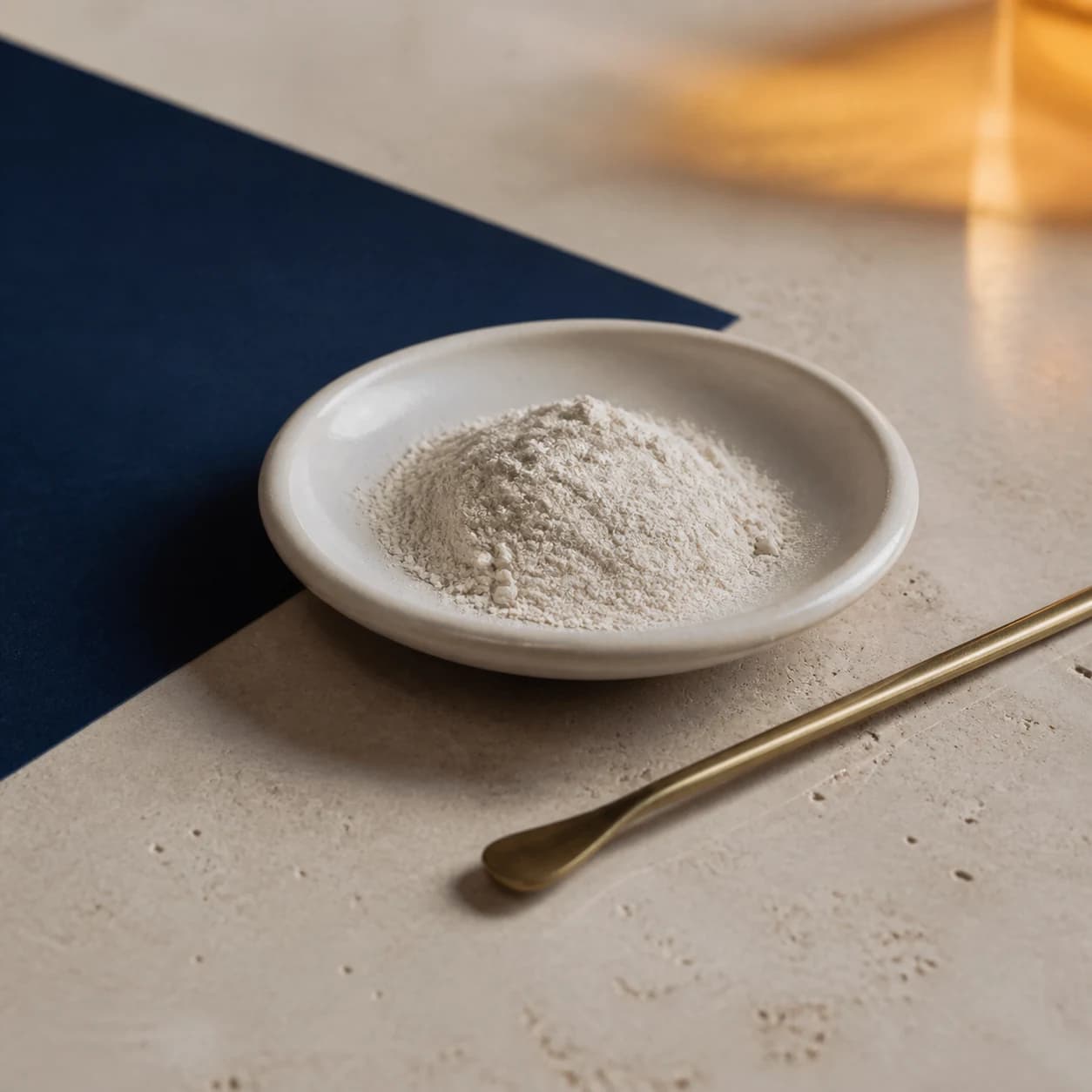
Concept photograph of fine magnesium bisglycinate powder in a shallow dish.
250 mg elemental

Magnesium

fully-reacted bisglycinate, printed as elemental

Working label · may change

A mineral component alongside glycine, supplied as fully-reacted bisglycinate. The amount is disclosed as elemental magnesium, not the weight of the whole compound.

A 2025 randomized trial of 250 mg elemental magnesium as bisglycinate in 155 adults with poor sleep, assessing insomnia severity and secondary sleep and daytime measures.

Insomnia-severity scores improved vs placebo — a small effect

What to know

The effect was small (about 1.6 points on the scale) and every secondary measure — sleep quality, daytime sleepiness, fatigue, stress, mood — showed no difference from placebo. It was academically funded, which is rarer than it should be. No claim of superior absorption.

Schuster et al. 2025 (Nature and Science of Sleep), N=155

Explore the research
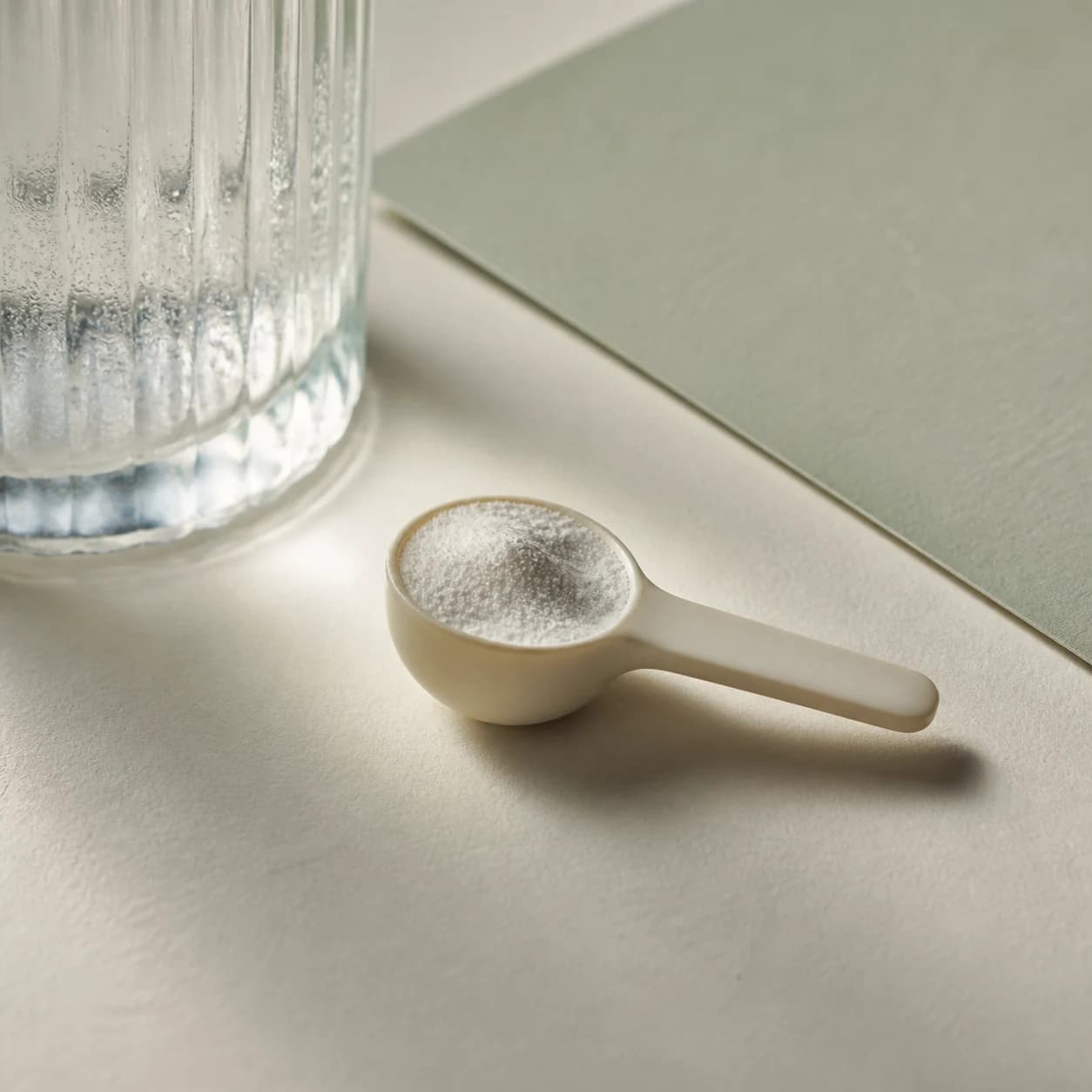
Concept photograph of fine L-theanine powder beside a glass of water.
200 mg

L-theanine

free-form

Working label · may change

A complementary amino acid in the evening formula, selected with research on self-reported sleep quality in mind.

A 2025 review of 18 randomized trials involving 897 participants, examining self-rated sleep quality and objective sleep measurements. The review is not a trial of Dayspan’s combination.

Self-rated sleep quality improved across 18 trials; objective recordings did not move

What to know

Subjective only. Objective sleep recordings did not move, and the sleep-onset effect was trivially small. We claim the calm, not the architecture. 200 mg is the floor of the effective range.

Bulman et al. 2025 (Sleep Medicine Reviews), 18 RCTs, N=897

Explore the research
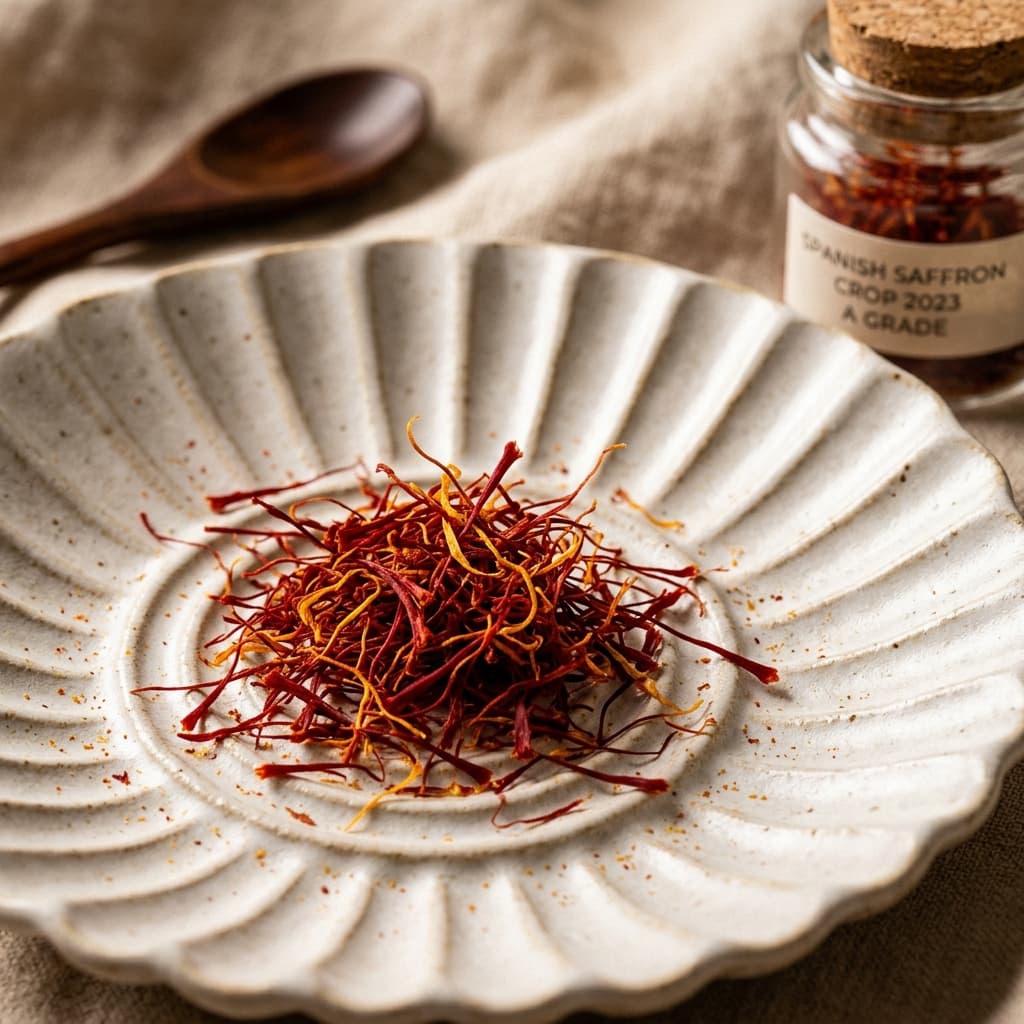
Concept photograph of dried saffron stigmas.
28 mg

Saffron extract

affron®-type, ≥3.5% Lepticrosalides · planned source

Working label · may change

The botanical component of the evening formula. Research on standardized saffron extracts informs this selection; the final extract must be verified against the cited material.

A 28-day placebo-controlled trial of 120 adults with poor sleep, including a 28 mg standardized saffron extract taken before bed. Sleep was assessed using questionnaires and diaries.

Self-rated sleep quality and insomnia-severity scores improved; questionnaire endpoints only

What to know

Both trials were funded by the extract's manufacturer and measured sleep by questionnaire, not in a sleep lab. The named-trial citation holds only if the branded extract is what we buy. Better self-rated sleep, not deep-sleep architecture.

Lopresti et al. 2021 (Sleep Medicine), N=120

Explore the research
15 mg elemental

Zinc

bisglycinate, printed as elemental

Working label · may change

A supporting mineral, disclosed as elemental zinc. Its inclusion does not mean a food-based zinc study has tested this bisglycinate formula.

A 12-week study in 120 healthy adults using 15 mg zinc daily from zinc-rich food, with actigraphy measurements of sleep efficiency and time to fall asleep.

Sleep efficiency and time to fall asleep improved on actigraphy in healthy adults

What to know

The better trial gave the zinc inside a food, not alone, and was industry-authored; a second placebo-controlled trial used a sleep questionnaire. Zinc earns a supporting slot and modest copy, not a headline. Do not exceed 15 mg without a clinician.

Saito et al. 2017 (Molecular Nutrition & Food Research), N=120

Explore the research

A closer look at the research

Study findings depend on the material, amount, participants and outcome measured. We include funding details, mixed findings and important limitations alongside the research so you can read each result in context. The finished Dayspan combinations have not been clinically tested.

These statements have not been evaluated by the Food and Drug Administration. These products are not intended to diagnose, treat, cure, or prevent any disease.

Explore the study ledger. Each product page explains its own formula—including what we left out and why.